


What is Standardised Testing and What Do The Scores Mean?
If you have a child in Key Stage 1 or Key Stage 2, you will likely have heard their teacher mention standardised scores. But what do these scores mean? How do I know if they are doing well? And why do they even need to sit these tests in the first place? Let’s break it down.

Why Visuals Are Crucial in Primary School Maths
Mathematics is often thought of as numbers on a page, equations to solve, or sums to memorise. But for children in primary school, numbers alone can be abstract and confusing. That’s where visual supports come in, tools like 100 squares, number lines, counters, and diagrams that make maths visible and understandable.
Here’s why visuals matter so much in primary school maths.
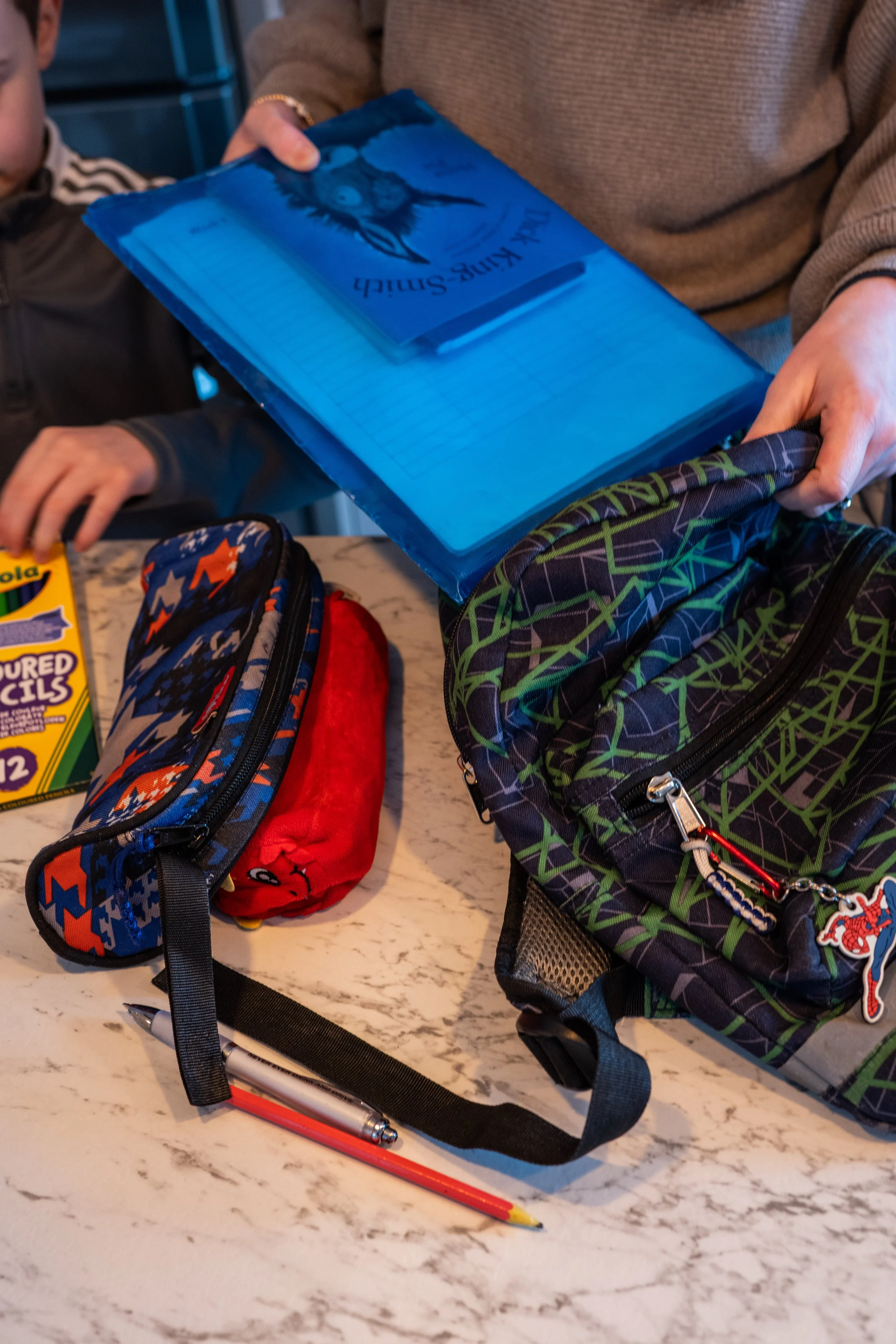
Nursery and Primary School Applications in Northern Ireland: Common Misconceptions Explained
Nursery and Primary 1 school applications in Northern Ireland open today, and for many parents this can feel like a stressful and confusing time. Each year, the same worries and myths resurface, often shared with the best of intentions — but not always with accurate information.
To help parents feel more confident, we’ve pulled together some of the most common misconceptions about the admissions process and explained what actually happens.
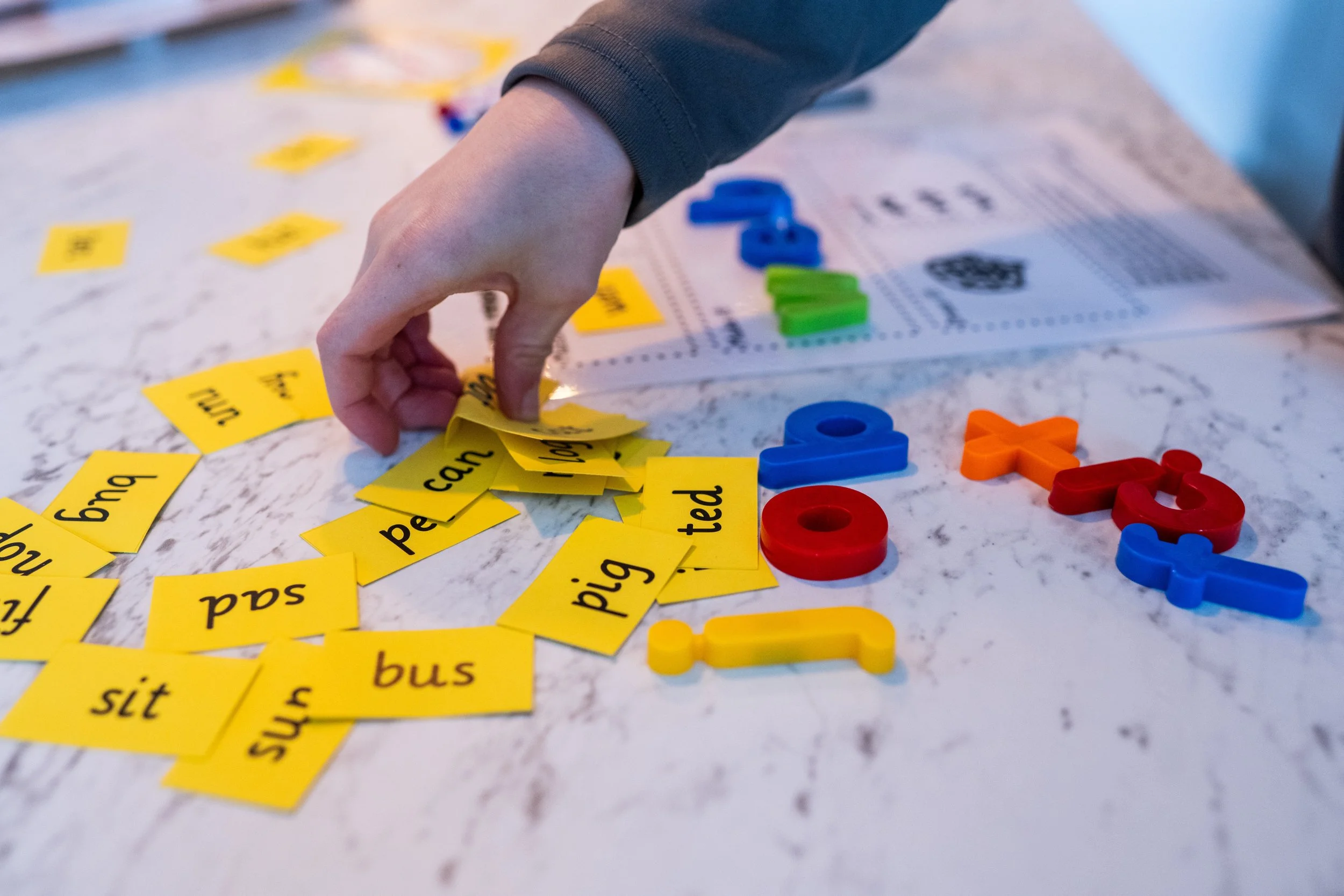
Why Your Child Might Be Struggling With Homework (And How You Can Help)
It’s a familiar scene: you sit down with your child to do homework, and suddenly resistance appears. They procrastinate, complain, or even argue and it’s easy to assume they’re being difficult or lazy.
But often, that’s not the case. The real reason might be that they don’t feel confident enough to tackle their homework alone.
Repairing the Parent-Teacher Relationship: Why Communication Matters When Conflict Arises
Every parent wants the best for their child, and every teacher does too. But sometimes, when concerns arise, tensions can flare. A misunderstood comment, a tricky homework task, or a playground incident can quickly spiral into frustration. Before long, what could have been solved with a simple conversation becomes a source of conflict. The good news? Most issues between parents and teachers can be repaired (and even prevented) through open, respectful communication.

What’s all the Fuss about Times Tables?
You’ve got the homework diary home and your child’s teacher is asking them to revise times tables AGAIN! You have gone over and over and over them and can’t take it any more. And yet, you’re being asked to go back and revise these for what feels like the millionth time! Is there a method to their madness, or are teachers just trying to fill your time with unnecessary nonsense? As a Key Stage 2 teacher (who is always going on at parents and kids about times tables), I’m going to explain why they are an important feature of the numeracy curriculum and could help your child get ahead in their education.

Understanding Special Educational Needs Provision in Northern Ireland
As a primary school teacher with a leadership responsibility in SEN, I spend much of my time speaking to parents who are concerned about their child’s educational prospects. If your child has a barrier to learning, it can understandably be worrying. You want to make sure they are equipped to meet their full potential and be the best version of themself. But how can schools support children with a range of needs in busy classrooms with curriculum demands and limited budget? This series of blogs will address all of these worries, giving parents a greater understanding of the supports in place to help their children learn, grow and succeed. We will discuss:
The Stages of the SEN Code of Practice
Types of Provision in Northern Ireland
What to do when my Child is Struggling in School

The Power of Play in Early Numeracy Development
The Power of Play in Early Numeracy Development
Maths isn’t just about equations and formulas—it’s about understanding the world through numbers, patterns, and relationships. And the journey to strong numeracy skills starts much earlier than we often realise! Encouraging early numeracy development through play is one of the best ways to help young children build confidence in maths before they ever step into a classroom.

Quick & Easy Ways to Teach Your Child Times Tables
For busy parents, helping your child master their times tables can feel like a daunting task. But with the right approach, you can make learning fun, fast, and frustration-free! Here are some simple, no-fuss ways to help your child develop quick recall of their times tables—without hours of set-up or preparation.

Choosing the Right Primary School for Your Children
With Nursery and Primary School applications opening in Northern Ireland in January, most parents will be thinking very carefully about their school choices. This decision holds so much importance for your child’s future, so how can you confidently know you are making the right decision? Here are some things to consider:

Supporting Your Child as they Begin their Learning Journey
You’ve dropped them off with bleary, tear-filled eyes on their first day of primary school. How did they get so big so quickly? And how can I support them in their education as they begin to learn to read, write and count? Supporting your child’s Literacy and Numeracy development need not be complicated or time-consuming. Here are 6 teacher top tips:

Boosting Your Child’s Education Through Games
Have you ever seen engaging activity ideas to enhance your child’s learning on Instagram? So you save the video with good intentions, only to realise that they require lots of resources and take longer to set up than your children will actually spend engaging in the activity. We all want to help our children develop their literacy and numeracy skills, but time comes at a premium and let’s admit it, we are all tired!
This is why I created Clever Kit Learning Boxes. To take the mental strain away for parents. Providing convenient, ready made resources to support your child in their homework that are matched to the Northern Ireland Curriculum. They are trustworthy, made by an experienced, practicing teacher.

7 Ways to Keep Up with Learning over the Summer Holidays
I don’t know about you, but I begin every July with wide-eyed optimism. I have big plans to do lots of activities with my kids, to go on lots of days out and do a few educational activities with them. By then end of August, I’m usually looking back, thinking, ‘where did the time go?’ Realising that I haven’t done half of the activities we planned. We can put so much pressure on ourselves to keep up with our children’s education during the summer months, but often we don’t know where to start and are met with opposition from our kids - they are off school, why would they want to sit down and do a workbook? But learning isn’t confined to formal workbooks. There is a wealth of learning to be had outside of the classroom in the context of family time. Here are 7 ways to find learning opportunities in the summer months.

6 Ways to Enjoy Half Term Together and Ditch the Screens
With half term almost upon us, every parent’s mind will be turning towards how to keep their kids entertained for the next week and avoid bickering as much as possible. For many of our kids, screens can be a go-to for them in their down time and they will be looking forward to some extra screen time while they are off school. I want to put it out there that I have no issue with screen time - TV and iPad time happen daily in our house. However, I don’t want the majority of our time together to be spent looking at screens. When my kids are older and they look back at their childhood, the relationship building memories they treasure will be the times we spent together, away from the screens. Here are 6 simple ideas to inspire you this half term:


Guest Blog: Dyslexia - Swimming Through Confusion by Anne-Marie Beggs
Is your child unhappy in school? Are they consistently sick
For those of us who work with Dyslexic individuals we know that what they complain about most is confusion.
If you’re a Dyslexic child, a single class can give rise to feelings of chronic confusion: making individuals sick to their stomach, migraines, and frustration and isolated.

7 Easy Ways to Encourage your Children to Look After the Planet
With warnings about climate change and pollution becoming stronger and more frequent, our children are facing a real responsibility to be eco-conscious in their day to day living. This generation are being educated to look after the planet in a way that no generation before has been. They see looking after the Earth as a way of securing their future and feel a personal responsibility to do so. Although we don’t want our children to live in fear of the future, we do want them to make choices which will positively affect it. Here are some easy ways in which you can encourage your little ones to look after the world around them.

Getting School Ready
As the end of summer looms close, lots of little ones are preparing to start school for the first time. As parents, we want our kids to have the best start to their education, so here are my top teacher tips for getting school ready.

Sparking Joy in Reading
Books. We all have a different relationship with them. Some love them, some hate them, some wish they had more time for them. We all know that books are good for our kids, but what happens when our kids just aren’t interested in reading? Here are my top tips to encourage reading at home and in school.

Is Rest Really Achievable for Tired Parents?
Before I was a mum, I thought I was busy. I thought I knew what tiredness was. Goodness was I naive! From the moment our little ones come into the world, it becomes very apparent that our lives will never again be our own. After a tiring day of work, I begin my next job; homework, dinner, cleaning up, making packed lunches, bath time and bedtime. And just when you think it’s time for a well deserved rest, there’s the washing, the cleaning, the groceries and the dog walking. The to do list is never-ending!
It can feel like there is no time for rest. We all need it and crave it. But parenting is a non-stop 24/7 job. It seems the only way to truly rest is to get away for a fancy spa weekend - a lovely idea, but hardly realistic! There has to be time in our daily, weekly lives which leave space for rest. How can we meet the needs of our children, yet maintaining our own mental wellbeing and fulfilling our need for rest? I would be lying if I said I had it all sorted, because I don’t. Here are some ideas of how to incorporate rest into your daily life: